Press Start on the Red Carpet: How British Gaming Went From Moral Panic to BAFTA Glamour

Cast your mind back to the mid-nineties. Tabloid front pages were screaming about violent video games corrupting the nation's youth. MPs were tabling motions in the Commons. Concerned parents were penning furious letters to the Daily Mail, convinced that Mortal Kombat would turn little Darren into a menace to society. The idea that one day a video game would be celebrated on the same stage as a Daniel Craig film would have seemed absolutely deranged.
And yet, here we are.
The BAFTA Games Awards — held annually at the Royal Festival Hall in London — now attracts the kind of industry heavyweights, genuine press coverage, and honest-to-goodness excitement that was once reserved exclusively for cinema and music. Games journalists sit alongside broadsheet critics. Developers give tearful acceptance speeches. The whole thing is, frankly, a bit magnificent.
 Photo: BAFTA Games Awards, via assetsio.gnwcdn.com
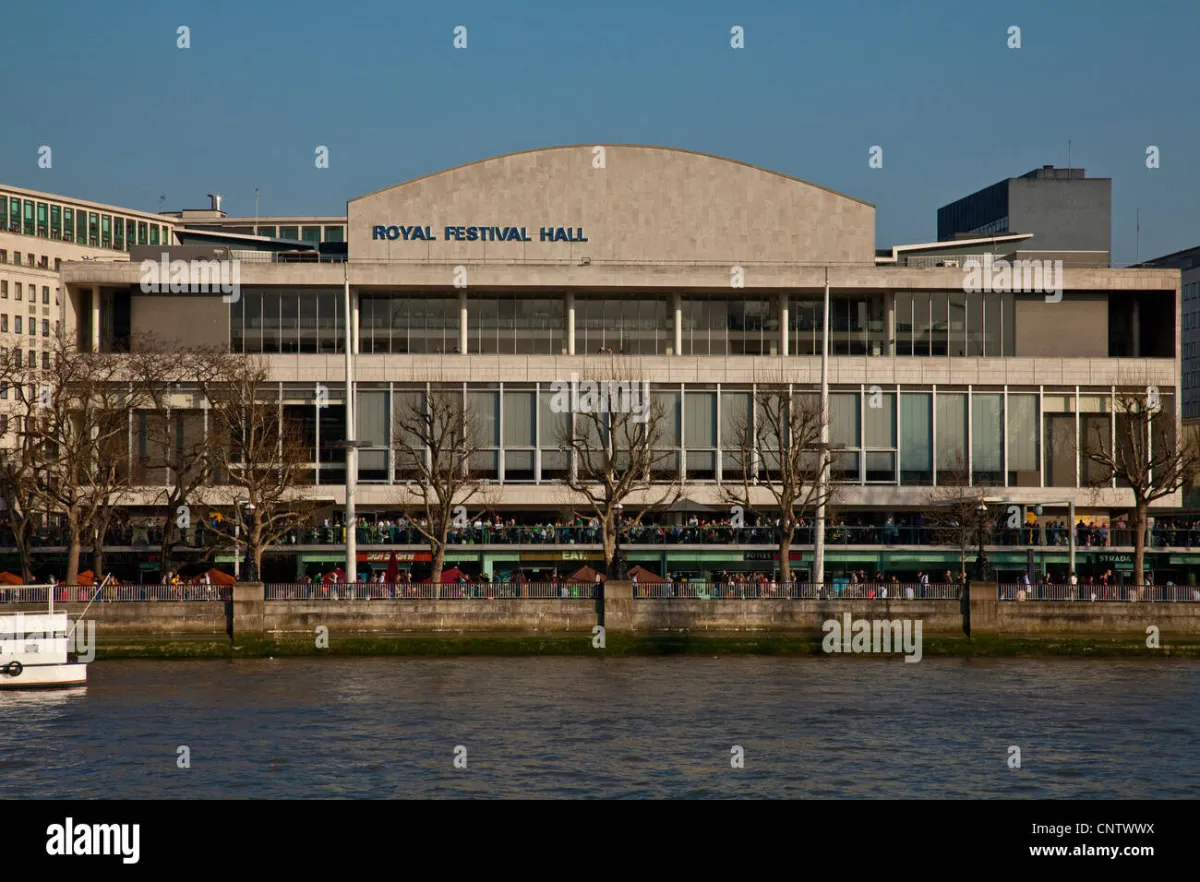 Photo: Royal Festival Hall, via c8.alamy.com
So how did we get here? And more importantly — has Britain truly, genuinely accepted gaming as a legitimate art form? Or are we still secretly a bit embarrassed about it?
The Dark Ages: When Games Were the Enemy
To understand how far we've come, you need to appreciate just how grim the cultural conversation around games once was in the UK.
In the 1990s, the British press treated gaming with the same enthusiasm it reserved for tax rises and foot-and-mouth disease. The tabloids were relentless. Doom was a murder simulator. Lara Croft was a dangerous influence. Parents were warned. Politicians postered. The Sun ran headlines that would make your eyes water today.
Even the BBC — bless them — treated gaming coverage like a slightly dodgy uncle at Christmas: occasionally present, usually baffled, always slightly suspicious.
The cultural assumption was clear: games were for teenagers, teenagers were trouble, and therefore games were trouble. The idea of a game being discussed in the same breath as a Merchant Ivory film or a Booker Prize novel was considered laughable.
What nobody had properly reckoned with was that those teenagers were growing up.
The Turning Point Nobody Saw Coming
If you had to pick a single moment when the conversation started shifting, you might point to the late nineties and early 2000s — not because of any one game, but because of sheer cultural mass.
The PlayStation generation didn't disappear. They got older, got jobs, had children, and kept playing. Suddenly, gaming wasn't a niche hobby — it was something that roughly half the adult population was doing in some form. You couldn't dismiss an audience that size forever.
At the same time, the games themselves were changing. The emotional wallop delivered by titles like ICO, Shadow of the Colossus, and later BioShock demanded a more serious critical vocabulary. These weren't just entertainment products — they were doing things narratively and artistically that film and literature hadn't quite managed in the same way.
British studios were central to this shift. Rockstar North — based in Edinburgh, don't let anyone tell you otherwise — was redefining open-world storytelling with Grand Theft Auto. Rare was pushing creative boundaries. Media Molecule would later arrive with LittleBigPlanet and essentially make a game about human creativity itself.
The broadsheets started paying attention. The Guardian launched a games section. The Times began running proper reviews. And in 2003, BAFTA expanded its remit to include an annual games awards ceremony — a moment that, in retrospect, was about as significant as it gets.
BAFTA Changes the Game
The BAFTA Games Awards didn't immediately transform public perception overnight — nothing ever does. But they mattered enormously as a signal. Here was one of Britain's most prestigious cultural institutions saying, plainly, that games deserved to be taken seriously.
Over the following two decades, the ceremony grew in stature and ambition. Categories expanded. The calibre of nominated titles became increasingly diverse — indie darlings sitting alongside blockbusters, narrative games competing with multiplayer phenomena. When Disco Elysium won multiple awards in 2020, it felt like a genuine watershed: a game that was essentially a literary novel in interactive form being recognised at the highest level.
Developers who might once have been embarrassed to describe themselves as artists at dinner parties were now making acceptance speeches watched by thousands online.
Hellblade: Senua's Sacrifice — developed by Cambridge-based Ninja Theory — became a particular landmark. A game exploring psychosis with genuine clinical rigour, it won BAFTA's Special Award in 2018 and was discussed in mental health circles, university curricula, and arts publications. Not just gaming publications. Actual arts publications.
So Are We There Yet?
Here's where it gets complicated, because the honest answer is: sort of.
At the level of institutions and industry, yes — Britain has absolutely accepted gaming as a legitimate cultural force. The games industry contributes billions to the UK economy. The Creative Industries Council treats it as a peer of film and television. Arts Council England has funded game-making projects. Tax relief for games development is now a fixture of government policy.
But cultural legitimacy is a funny thing. It tends to travel unevenly.
Ask a games developer whether their relatives truly understand what they do for a living, and you'll get a very specific kind of weary smile. The assumption — particularly among older generations — that games are still fundamentally frivolous persists in ways that simply don't apply to film or music.
There's also a class dimension that's rarely discussed. The British cultural establishment has historically been comfortable with art forms that come with a certain pedigree — theatre, opera, literary fiction. Gaming, with its origins in arcades and bedroom computers, has had to fight harder for a seat at the table. It's getting there, but the fight isn't entirely over.
And yet the momentum is undeniable. Universities now offer respected game design degrees. The Victoria and Albert Museum has collected games as cultural artefacts. A generation of critics has emerged who apply the same rigour to games as their colleagues do to cinema.
 Photo: Victoria and Albert Museum, via c8.alamy.com
The Loading Screen Verdict
Britain's relationship with gaming as art has been a slow-burn love affair — complicated, occasionally embarrassing, and still not entirely resolved. But the trajectory is clear.
From tabloid monster to BAFTA staple in roughly thirty years is, when you think about it, a pretty remarkable journey. The medium that was once blamed for everything from childhood obesity to violent crime now has its own red carpet, its own critical canon, and its own generation of artists who are genuinely, unapologetically proud of what they make.
Crash Bandicoot probably didn't start the cultural revolution. But somewhere between those spinning platforms and a tearful developer clutching a BAFTA in South Bank, something fundamental shifted.
Britain fell in love with games as art. It just took us a while to admit it — which is, honestly, very on brand for us.