Game, Set, Match: How Swapping Controllers for Cupid Is Quietly Changing British Dating
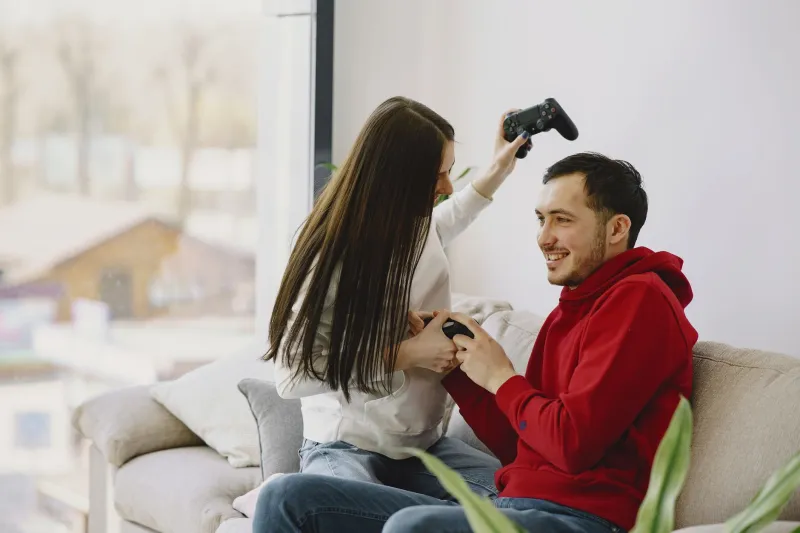
There was a time — not so long ago, frankly — when admitting on a first date that you spent most of your evenings playing video games carried roughly the same romantic energy as announcing you collected belly button fluff or had strong opinions about train timetables. You'd watch the enthusiasm drain from their face in real time. Another one lost to the algorithm.
That time appears to be over. Gaming, once the social millstone of British dating culture, has somehow pulled off one of the most extraordinary image rehabilitations in modern romantic history. And British singles, bless them, are absolutely running with it.
The Profile Picture Is Now Your Setup
Scroll through any major dating app in the UK right now and you'll find something that would have seemed deeply strange a decade ago: people proudly listing their gaming habits as a core personality trait. Not buried at the bottom under 'other interests' next to 'occasional hiking.' Right there, front and centre, next to their job title and whether they want kids.
'Gamer' has gone from social liability to compatibility filter. On apps like Hinge and Bumble, users are increasingly using their prompts to establish gaming credentials early — listing favourite titles, naming preferred genres, or simply asking whether potential partners can handle them disappearing into a raid for four hours on a Saturday. Crucially, many report this as a filtering mechanism rather than a confession. They're not apologising. They're screening.
Dating app data from the UK market has reflected this shift. Mentions of gaming-related interests in profiles have risen sharply over the past four years, with a notable spike during and immediately after the pandemic — which, it turns out, did remarkable things for gaming's romantic reputation.
Lockdown Loaded Something Up
The pandemic deserves significant credit for this cultural pivot. When the entire country was stuck indoors with nothing but their broadband connection and a growing existential dread, games became genuine social infrastructure. Animal Crossing: New Horizons sold in extraordinary numbers across the UK as people used it to meet friends, host virtual gatherings, and yes — go on dates.
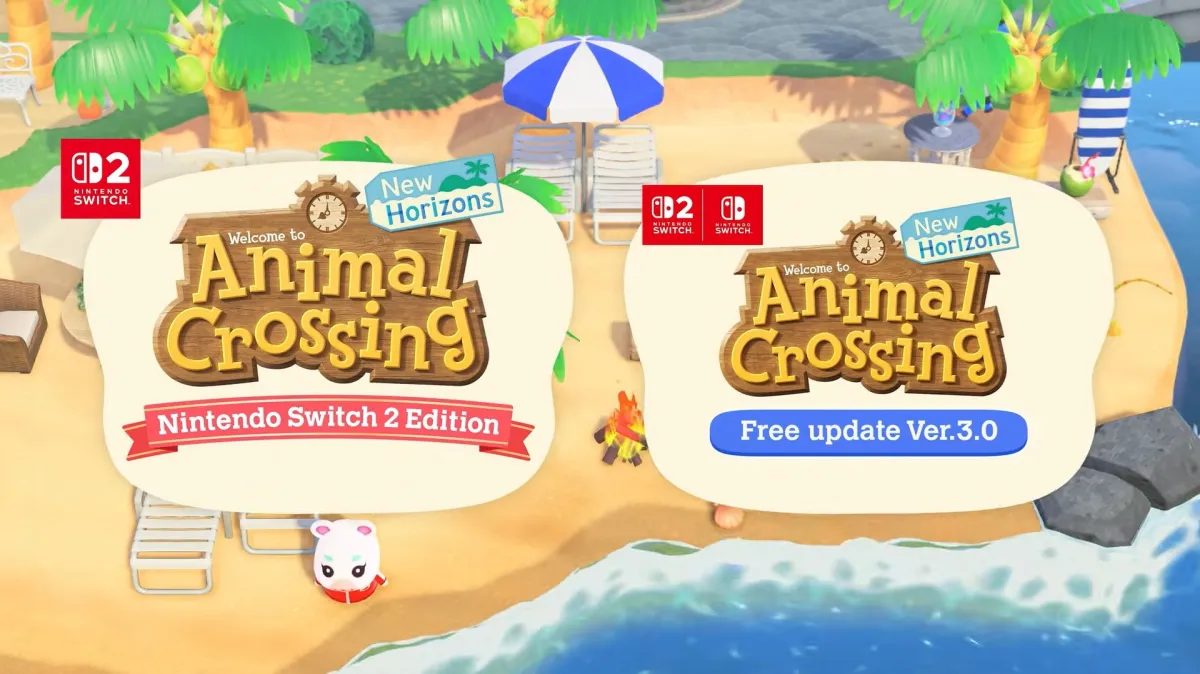 Photo: Animal Crossing: New Horizons, via nintendoeverything.com
The image of two people sitting in separate flats, visiting each other's islands, planting flowers together, and chatting via voice call has become something of a romantic archetype for a certain generation of British twenty-somethings. It sounds faintly absurd when described plainly, but ask anyone who lived through it and you'll get a very different reaction. Shared digital experiences, it turned out, could be just as meaningful as shared physical ones. Sometimes more so, when the alternative was a socially distanced walk in the rain.
Long-distance couples particularly leaned into gaming as a relationship maintenance tool during this period. Playing together across distance — working through a campaign, building something in a shared world, or simply existing in the same virtual space — gave relationships a texture they might otherwise have lost to the monotony of video calls.
Apps Built for Players
Entrepreneurs, naturally, noticed. A wave of dating platforms specifically targeting gamers has emerged in recent years, with services like GamerDating and Kippo targeting the growing number of singles who want to lead with their hobby rather than hide it. The pitch is simple: shared gaming interests create a natural conversational foundation, reduce the awkward small-talk phase, and provide an instant activity for early dates that doesn't require anyone to perform charm in a noisy bar.
British users of these platforms consistently report the same benefit: compatibility conversations happen earlier. If someone is passionately devoted to competitive shooters and you prefer slow-burn narrative adventures, you'll know before you've invested three weeks of texting. It's almost offensively efficient by British standards, where we'd normally spend months being politely evasive before discovering fundamental incompatibilities.
Some more mainstream apps have started incorporating gaming-specific features too. The ability to link gaming profiles, share achievement lists, or display preferred platforms gives users a richer picture of a potential partner than the standard grid of holiday photos and group shots where nobody can quite work out which person you are.
The Controller Collection Conversation
Ask anyone in a long-term relationship where gaming features heavily and they'll tell you the same thing: the real compatibility test isn't whether both people game. It's the specifics. Do you play at similar times? Can you handle being in the same room while the other person games, or does the sound of a particular game make one of you want to leave the country? Is the living room TV a shared resource or a dedicated gaming monitor? These are not trivial questions. Relationships have foundered on less.
British gaming couples have developed their own quiet diplomacy around these issues. The negotiated TV schedule. The agreed-upon volume levels. The sacred rule about not starting a new story-based game when your partner is only halfway through the last one. These are the relationship frameworks of the modern age, and they require a level of mutual understanding that genuinely does seem to work better when both parties actually play.
The controller collection, meanwhile — the towers of old hardware, the shelf of beloved cartridges, the stack of cases that nobody has the heart to throw away — has gone from being a source of romantic friction to something closer to a compatibility signal. Finding a partner who not only tolerates the shrine to your Mega Drive but actively thinks it's brilliant? That, according to a growing number of British gamers, is the real end-game.
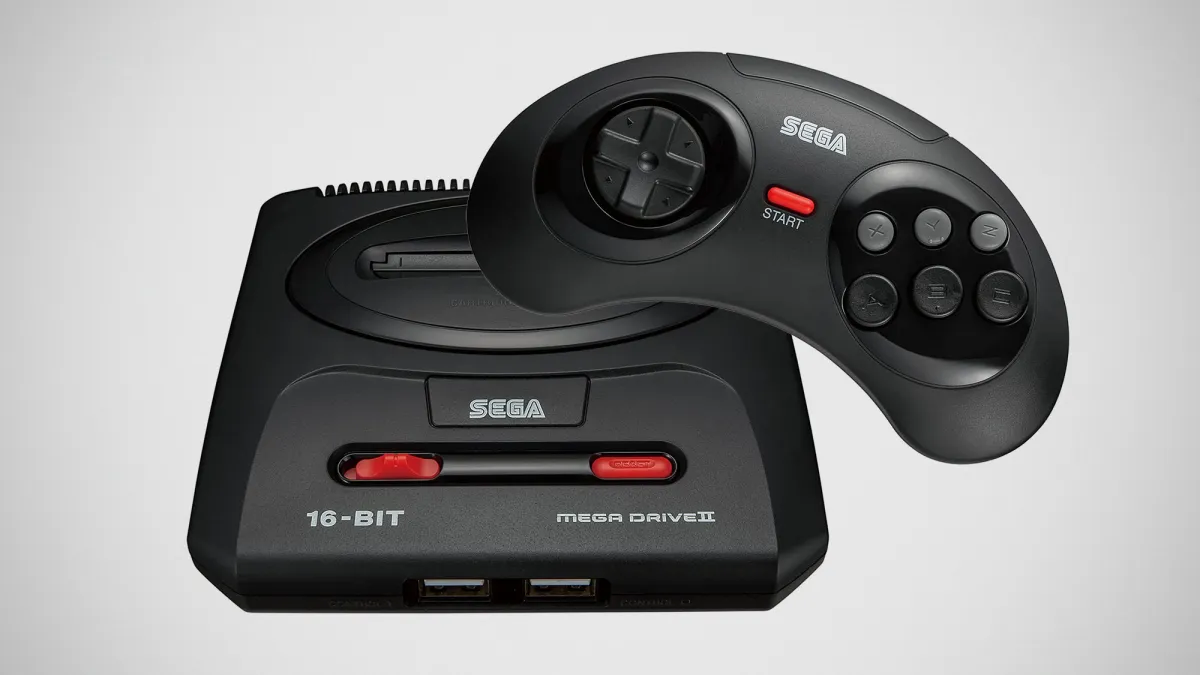 Photo: Mega Drive, via d2cdo4blch85n8.cloudfront.net
Respawning Romance
None of this means gaming is a romantic silver bullet. Bad dates are bad dates regardless of shared interests, and two people who both love Elden Ring can still be catastrophically wrong for each other in every other conceivable way. The hobby is a starting point, not a guarantee.
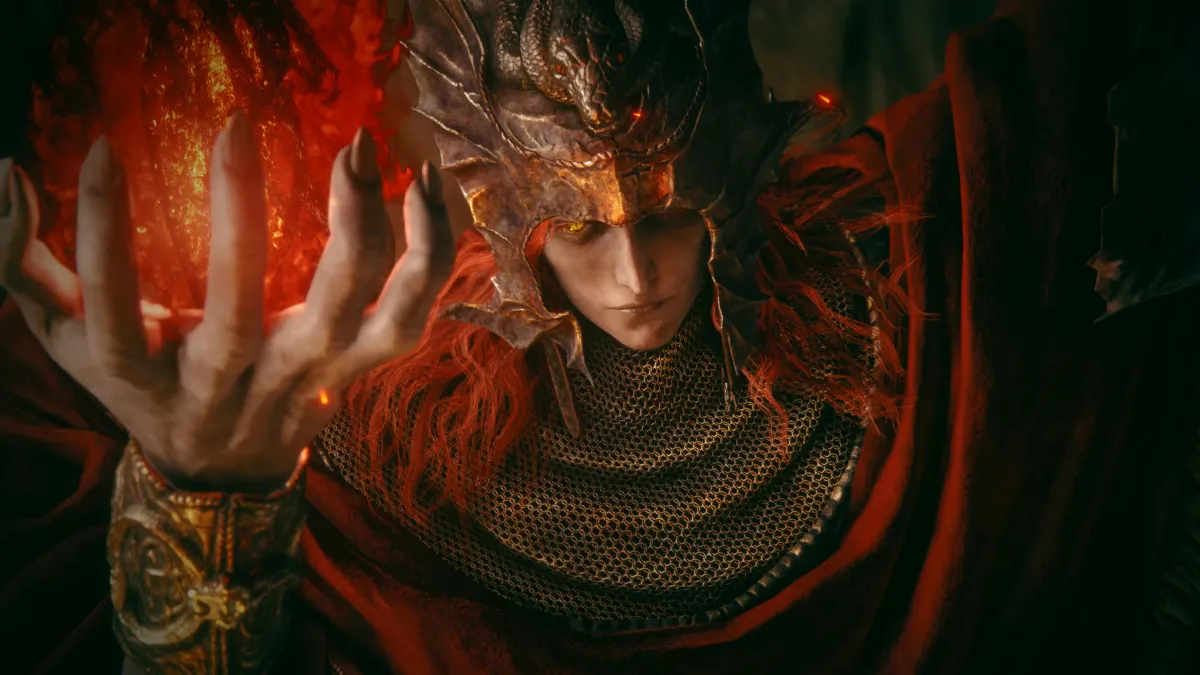 Photo: Elden Ring, via assets.gnwcdn.com
But as starting points go, it's a pretty good one. It's a shared language, a ready-made activity, and a genuine window into how someone spends their time and what they value. In a dating landscape increasingly defined by curated performance, there's something refreshingly honest about leading with something you actually love rather than the version of yourself you've decided is most marketable.
British gaming culture has always been about finding your people. Turns out, sometimes your people is just one person — and they're in the next lobby over, wondering if you fancy a co-op run.