Britain's Barmy Queue Legacy: From Wimbledon to PlayStation — Why We're Champions at Waiting for Absolutely Everything
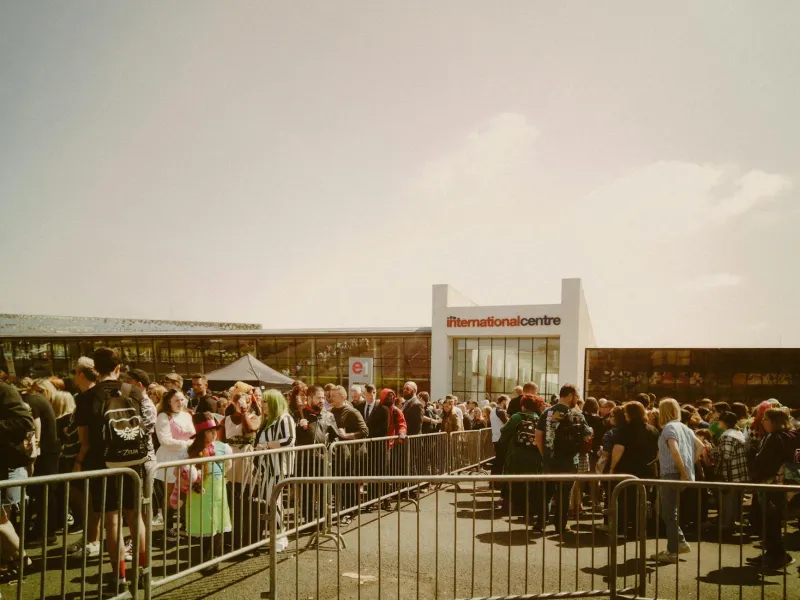
The Noble Art of British Queuing
There's something magnificently unhinged about British gaming culture, and it all comes down to our inexplicable love affair with queuing. While other nations might see waiting in line as an unfortunate necessity, we've somehow transformed it into a cherished national tradition — complete with unwritten rules, legendary tales, and the kind of community spirit typically reserved for wartime.
Anywhere else in the world, camping outside a shop for three days to buy a games console would be considered mild insanity. In Britain, it's practically a rite of passage.
The Legendary Launch Day Warriors
Ask any gaming veteran about the PlayStation 2 launch in November 2000, and watch their eyes glaze over with the thousand-yard stare of someone who's seen things. Proper things. Like grown adults setting up elaborate tent cities outside Virgin Megastores, complete with portable generators, camping chairs, and enough snacks to survive a minor apocalypse.
"I queued for 31 hours outside the Oxford Street Virgin for a PS2," recalls Dave from Birmingham, with the pride of someone describing military service. "There were about 200 of us by the end. We had shifts for toilet breaks, a communal tea fund, and one bloke who'd brought a portable TV so we could watch EastEnders. It was brilliant."
The PS2 queue became the stuff of legend — not just because of its length, but because of the sheer British-ness of it all. Strangers became temporary best mates, sharing sandwiches and phone chargers. Queue positions were guarded with military precision. Someone inevitably started a sing-along.
The Unwritten Rules of Gaming Queue Etiquette
British gaming queues operate under an intricate code of conduct that would baffle anthropologists. Cutting in line isn't just rude — it's practically treason. Saving someone's place while they nip to the loo is a sacred duty. And everyone must pretend they're not absolutely desperate for whatever they're queuing for, even while camping outside in November rain.
"There's a whole psychology to it," explains Dr. Emma Richardson, a social anthropologist who's studied British queuing culture. "Gaming queues amplify all our national characteristics — the stoicism, the community spirit, the absolute refusal to admit we might be doing something completely mad."
The rules evolved organically over decades of launches. No saving places for more than one person. Bring enough supplies to share. Never, ever complain about the weather. And if someone's been queuing longer than you, they automatically outrank you in all queue-related decisions.
When Digital Killed the Queue Star
The rise of online shopping should have killed gaming queues entirely. Why stand outside in the cold when you can pre-order from your sofa? But British gamers adapted rather than surrendered, transforming physical queues into digital ones that are somehow even more intense.
The Nintendo Switch launch in 2017 marked a turning point. Instead of camping outside shops, hardcore fans were setting alarms for 3am stock drops, refreshing browser tabs every few seconds, and joining Discord servers dedicated to sharing retailer insider information. The queue had gone virtual, but the obsession remained distinctly British.
"I spent six months trying to buy a Switch," admits Sarah from Leeds. "I had browser bookmarks for every major retailer, push notifications set up, and I'd genuinely wake up at weird hours to check stock. My husband thought I'd lost my mind, but when I finally got one, the satisfaction was incredible."
The Great GPU Shortage Queue Wars
Nothing prepared British gamers for the graphics card shortage of 2020-2022. What started as supply chain issues became an epic battle of wills between desperate gamers and an economic system that seemed designed to frustrate them.
The queues went digital and global, with British players competing against bots, cryptocurrency miners, and international buyers for graphics cards that cost more than some people's cars. Scan Computers' weekly drops became legendary events, with thousands of players refreshing the site simultaneously, creating a kind of digital stampede.
"The Nvidia 3080 launch was absolute chaos," remembers Tom from Manchester. "I was in about 15 different Discord servers, had multiple browser windows open, and I'm pretty sure I developed some kind of repetitive strain injury from refreshing pages. When I finally got one after four months, I nearly cried."
The GPU shortage revealed something profound about British gaming culture: we'll queue for anything, anywhere, at any time, as long as there's a proper system and everyone follows the rules.
The Nostalgia Factor Nobody Expected
Something unexpected happened as gaming moved online: people started missing the old-school queues. The shared experience, the community, the stories that lasted for years. Digital queues might be more convenient, but they lack the social element that made physical queues memorable.
"My best gaming memories aren't actually about the games," reflects James, who queued for every major console launch between 1998 and 2010. "They're about the people I met in those queues. We'd exchange phone numbers, arrange to meet up for gaming sessions. You can't get that from clicking 'add to basket' at 2am."
This nostalgia has led to something remarkable: the deliberate recreation of queue culture. Gaming conventions now feature intentionally long queues for demos, complete with entertainment and community activities. It's queuing for the sake of queuing — peak British behaviour.
The Modern Queue Evolution
Today's gaming queues are hybrid affairs. Physical and digital elements combine in ways that would have seemed impossible 20 years ago. Retailers use apps to manage virtual queues, while customers wait in actual car parks. Gaming cafés host "queue parties" where people wait together for online stock drops.
The Steam Deck pre-order system perfectly captured this evolution. Valve created a virtual queue that told you exactly where you stood in line and when you might get your device. British players shared queue positions like football scores, celebrated movement up the list, and formed communities around their shared waiting experience.
The Cultural Export Nobody Saw Coming
British gaming queue culture has quietly influenced the rest of the world. International gaming launches now feature organised queuing systems that mirror British approaches. Gaming companies have learned that managing queues properly — with clear rules, regular updates, and community engagement — can turn frustration into anticipation.
"We've exported our queuing culture along with our games," observes gaming industry analyst Mark Stevens. "Companies worldwide now understand that how you manage scarcity is as important as the product itself. The British approach — orderly, community-focused, slightly mad — has become the global standard."
The Queue Never Really Ends
As gaming evolves, so does our relationship with waiting. Battle royale games have queue lobbies. MMORPGs have server queues during peak times. Even single-player games now have day-one patches that require their own kind of waiting.
British gamers have embraced each evolution with characteristic determination. We've turned Steam sales into competitive events, transformed limited edition releases into treasure hunts, and somehow made waiting for loading screens into a shared cultural experience.
The queue, it turns out, isn't just about getting the thing you want — it's about proving you want it enough to wait properly. In a world of instant gratification, British gaming culture maintains that some things are worth queuing for, whether that queue snakes around a city block or exists only in the digital ether.
And honestly? Long may it continue. In an increasingly impatient world, there's something beautifully, stubbornly British about our willingness to wait in line for the perfect gaming experience. Even if that experience is just buying a console that'll be readily available in shops three weeks later.