Ctrl+Alt+Defeat: The Quiet Physical Crisis Destroying British Gamers From the Inside Out
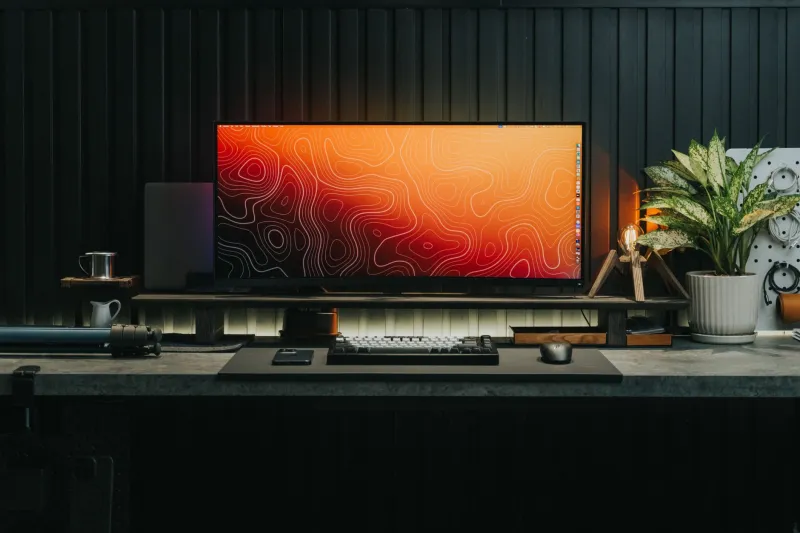
There's a particular kind of British suffering that doesn't get talked about enough. Not the dramatic, sympathy-garnering kind — a broken leg, say, or a genuinely spectacular sports injury — but the slow, grinding, utterly unglamorous kind. The sort you quietly endure while insisting everything is absolutely fine, thank you very much, and could you please stop asking.
For millions of UK gamers, that suffering has a very specific shape. It looks like a wrist that clicks wrong. A neck that's been craned at a monitor since 2009. Eyes so dry and strained they feel like two raisins rattling around in a sandstorm. It sounds like silence, because admitting gaming hurts you feels, somehow, like admitting gaming beat you.
British stoicism, meet your most ridiculous battleground.
The Body Keeps the Score (and It's Not Happy)
The numbers, when you actually look at them, are quietly alarming. Repetitive strain injury — the catch-all term for the various ways your tendons and muscles revolt after years of identical, high-frequency movement — is increasingly showing up in younger and younger patients at UK physiotherapy clinics. And a significant chunk of those patients, physios will tell you off the record, are gamers who waited far, far too long to say anything.
The average British gamer plays somewhere between two and four hours per day. Multiply that across years, factor in the fact that most of us are doing it hunched over a desk that was bought secondhand from a bloke on Facebook Marketplace, sitting on a chair that was designed for occasional spreadsheet work rather than six-hour raid sessions, and you've got a recipe for genuine, lasting physical damage.
Eye strain is arguably the most widespread complaint. Screens are brighter than ever, refresh rates are climbing, and yet a remarkable number of UK gamers have never once adjusted their monitor's colour temperature or considered the lighting conditions in their room. The result is a generation of people who squint as a personality trait and refer to headaches as "just a normal Tuesday."
The Stiff Upper Lip That Broke Its Own Back
Here's the cultural wrinkle that makes this particularly British: talking about it feels like whinging. And we don't whinge. We cope, we manage, we crack on. You broke your thumb on the controller? Tape it up. Your shoulder's been wrong since that Elden Ring marathon in February? Have a paracetamol and git gud.
Gaming has spent decades fighting for cultural legitimacy in the UK — battling tabloid moral panics, dismissive parents, and the persistent suspicion that it's a waste of time. To then turn around and admit it's physically damaging you feels like handing ammunition to every person who ever told you to go outside instead.
So we don't. We just suffer quietly and buy a wrist support from Boots that we never actually use.
The Ergonomic Awakening Nobody Expected
Something is shifting, though. Slowly, reluctantly, and with the enthusiasm of someone being told to eat more vegetables, British gaming culture is starting to take its own physical wellbeing seriously.
The streaming boom has had an unexpected side effect here. When your hobby becomes your livelihood — or even just your public persona — you can't exactly take three weeks off because your wrist has staged a full rebellion. Professional streamers and content creators have quietly become the unlikely evangelists of ergonomic setups, physio consultations, and — brace yourself — stretching routines.
Yes. Stretching. Before gaming. Like it's a sport.
And the thing is, it sort of is. Esports organisations in the UK have employed physiotherapists for their professional players for years now. The logic is identical to any other competitive pursuit: elite performance requires a body that works. The trickle-down to amateur and enthusiast culture has been slow, but it's happening. Gaming chairs — long mocked, often rightly, for being overpriced racing-seat cosplay — have at least forced a national conversation about lumbar support that wasn't happening before.
What the Physios Actually Say
Physiotherapists who work with gamers in the UK tend to say the same things. Breaks matter enormously — the 20-20-20 rule for eyes (every 20 minutes, look at something 20 feet away for 20 seconds) is simple, evidence-backed, and almost universally ignored. Wrist position during controller or keyboard use is critical and almost universally wrong. Chair height relative to desk height is a problem in the vast majority of home setups.
None of this is revolutionary advice. All of it would make a tangible difference if people actually followed it. The gap between knowing and doing, however, is where British gaming culture currently lives — aware that it probably should do something, vaguely planning to get around to it, currently in the middle of a dungeon.
Loading Up on Self-Care (Reluctantly)
What's genuinely encouraging is that the conversation is becoming less embarrassing to have. Reddit communities, Discord servers, and YouTube channels dedicated to gaming health have grown substantially in UK membership over the past two years. The framing has shifted too — it's less "gaming is hurting you" and more "protect the thing you love by protecting yourself." Which is, frankly, the only pitch that was ever going to work on us.
There's also something quietly radical about a generation of gamers deciding that their physical health is worth taking seriously on their own terms — not because a doctor told them to, not because a tabloid ran a scare story, but because they'd quite like to still be playing games in twenty years' time without their hands falling off.
British stoicism isn't going anywhere. But maybe — just maybe — it's learning to pick its battles. You can be tough and still admit your neck hurts. You can love gaming and acknowledge it's not entirely kind to the human body. You can carry on and also, occasionally, stretch.
Just don't expect anyone to be happy about it.