When Auntie Taught Us to Game: The BBC's Secret Role in Britain's Digital Revolution
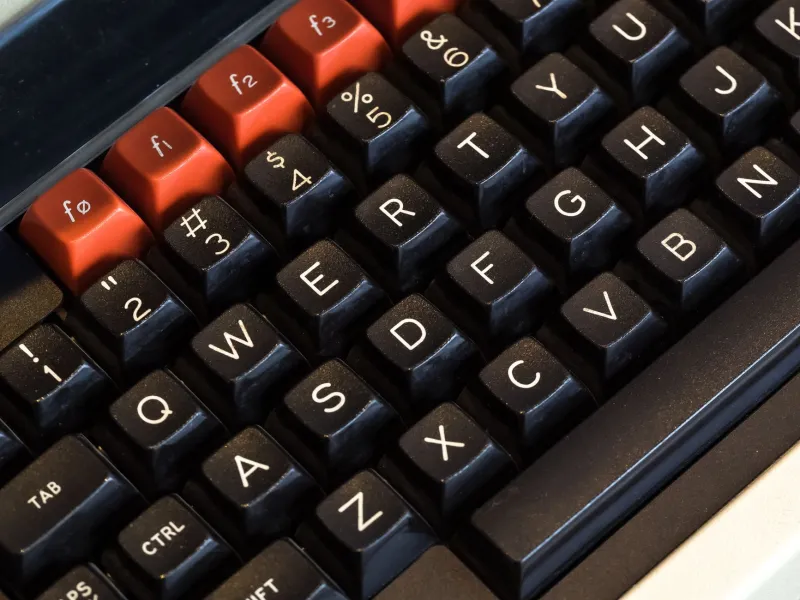
The Day Gaming Got Respectable
Picture this: it's 1983, and your nan is watching Tomorrow's World whilst tutting about 'those computer things rotting children's brains.' Fast-forward forty minutes, and she's genuinely fascinated by Kieran Prendiville explaining how the BBC Micro could teach kids to code. That's the magic the BBC pulled off — making gaming respectable for British families who thought Pac-Man was the devil's own creation.
Whilst American kids were sneaking quarters for arcade machines, British children had something far more powerful: the implicit approval of Auntie herself. When the BBC started taking gaming seriously, it wasn't just covering a trend — it was legitimising an entire culture.
Blue Peter Badges and Boss Battles
Nothing says 'gaming is proper now' quite like Blue Peter presenters attempting to explain Street Fighter II combos to confused parents. The programme's gaming challenges throughout the '90s were absolutely mental — kids sending in drawings of their favourite characters, attempting speedruns of Sonic levels, or explaining complex RPG plots in letters that probably made more sense than most game manuals.
 Photo: Blue Peter, via colordrop.io
The genius wasn't in the challenges themselves, but in the context. When John Leslie or Anthea Turner talked about gaming achievements with the same enthusiasm they'd reserve for charity fundraising or environmental projects, something shifted. Gaming wasn't just entertainment anymore — it was achievement.
Remember those viewer competitions where kids had to design their own game levels? Thousands of British children were essentially doing amateur game design, encouraged by the nation's most trusted children's programme. Some of those kids are probably running studios now, and they might not even realise their career started with a crayon drawing of a platform level sent to Media City.
The Micro Live Revolution
If Blue Peter made gaming acceptable, Micro Live made it aspirational. Running from 1985 to 1987, this programme was absolutely bonkers in the best possible way. Presenters would demonstrate programming techniques, review the latest games, and somehow make typing code look like the coolest thing since sliced bread.
 Photo: Micro Live, via edge.rode.com
The show's impact went beyond just teaching BASIC commands. It created a generation of British kids who saw computers not as mysterious black boxes, but as tools they could master. When your telly was showing you how to make sprites move across the screen, suddenly that Spectrum 48K under the Christmas tree wasn't just a toy — it was a gateway to creation.
Micro Live also did something remarkable: it treated its young audience like they had brains. No dumbing down, no patronising explanations. Just proper technical content delivered with enough enthusiasm to make machine code sound exciting. That respect for young viewers' intelligence became a hallmark of BBC gaming coverage for decades.
GamesMaster and the Birth of Gaming Celebrity
By 1992, the BBC was ready to go full mental with GamesMaster. Dominik Diamond's irreverent presenting style and the show's surreal challenges turned gaming from bedroom hobby to prime-time entertainment. When celebrities were genuinely struggling with Streetfighter moves or attempting ridiculous gaming challenges, it sent a clear message: this stuff was mainstream now.
The show's impact on British gaming culture cannot be overstated. It created the template for gaming television that channels are still following today. More importantly, it showed parents that gaming had genuine skill, strategy, and competitive elements worth celebrating.
GamesMaster also pioneered something uniquely British: taking gaming seriously whilst never taking yourself too seriously. The show's combination of genuine expertise and absolute silliness became the blueprint for how British media would cover gaming for the next three decades.
When Newsnight Started Caring About Pixels
Perhaps the most significant moment came when serious news programmes began covering gaming stories. When Newsnight or Panorama tackled gaming addiction, industry growth, or cultural impact, it marked gaming's transition from niche interest to societal phenomenon.
These weren't always positive stories — moral panic about violent games was real — but they were serious stories. The BBC's news division was treating gaming as something worth proper journalistic attention, not just lifestyle fluff.
This legitimacy trickled down to families across Britain. If Jeremy Paxman was asking hard questions about Grand Theft Auto, then maybe gaming wasn't just mindless entertainment after all.
The Quiet Revolution
The BBC's real genius was making gaming feel inherently British. From the polite enthusiasm of Tomorrow's World to the controlled chaos of GamesMaster, Auntie wrapped gaming in familiar, comfortable formats that British families understood.
This wasn't flashy American-style promotion or aggressive marketing. It was quintessentially BBC: educational, entertaining, and somehow making the cutting edge feel reassuringly familiar. The corporation took something that could have remained a niche hobby and made it feel like part of Britain's cultural fabric.
The Legacy Lives On
Today's British gaming scene — from Rockstar North to Media Molecule — owes more to BBC coverage than anyone likes to admit. That generation of kids who learned to code watching Micro Live, designed levels for Blue Peter, or stayed up late watching GamesMaster? They're running the industry now.
The BBC didn't just cover gaming's rise — it actively shaped how Britain embraced digital culture. In a world where gaming was often seen as antisocial or frivolous, Auntie quietly convinced an entire nation that pixels could be powerful, code could be creative, and gaming could be genuinely important.
Not bad for a public broadcaster with a licence fee, eh?