Press Start on the High Street: Why UK Gamers Are Ditching the Download and Hitting the Shops
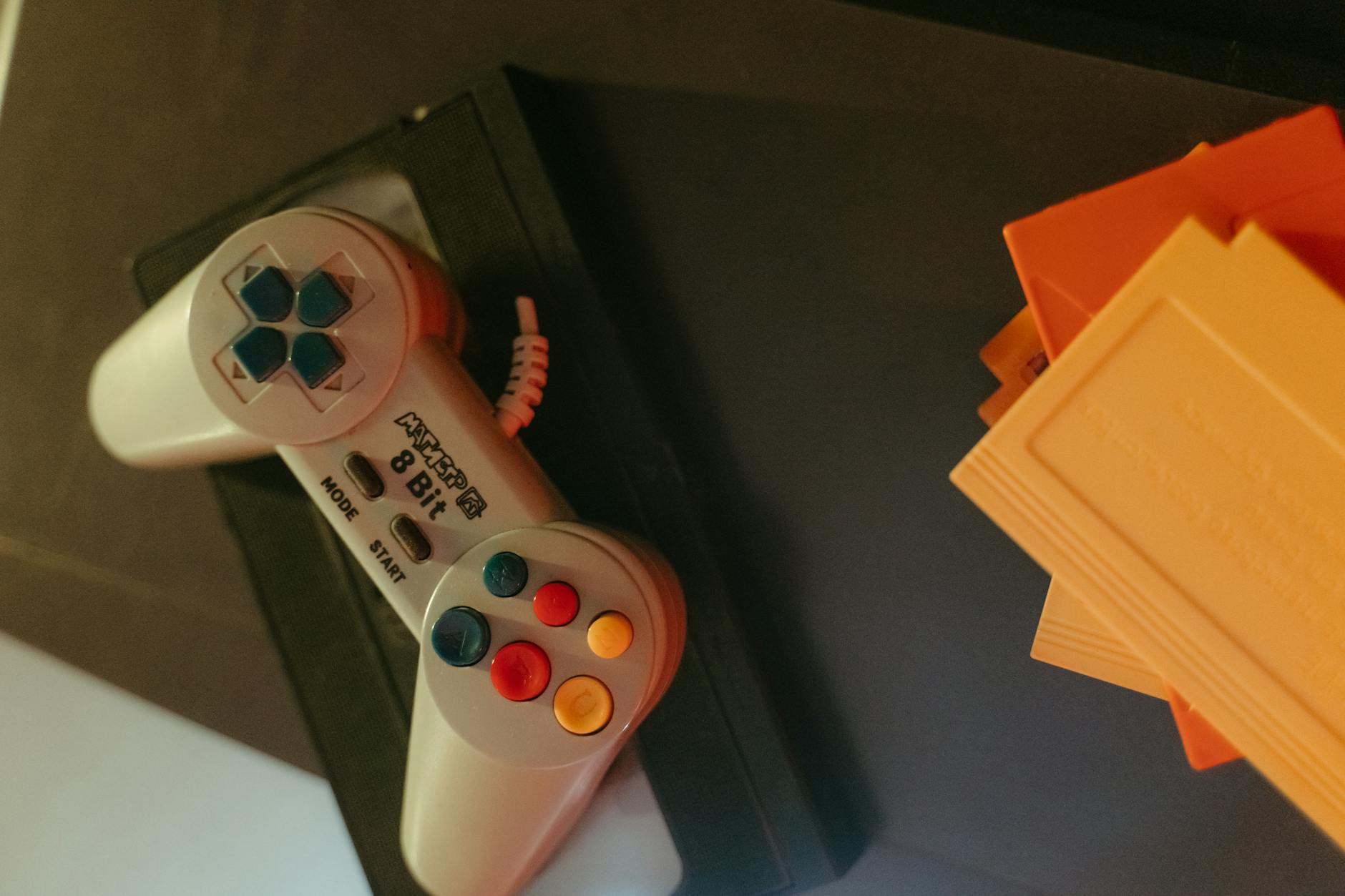
Press Start on the High Street: Why UK Gamers Are Ditching the Download and Hitting the Shops
Remember browsing the shelves of your local game shop on a Saturday morning, debating whether to blow your pocket money on a pre-owned copy of something you'd never heard of, purely because the box art looked mint? For a good while there, it felt like that experience had been quietly discontinued — patched out of existence by digital storefronts, subscription services, and the unstoppable march of the download button.
Except it hasn't been discontinued at all. Quite the opposite, actually.
Across the UK, physical gaming retail is having what can only be described as a moment. From indie retro dens tucked behind Manchester's Northern Quarter to Bristol's increasingly vibrant second-hand scene, bricks-and-mortar game shops are not just surviving — they're thriving. And it raises a genuinely interesting question: in a world where you can have a 100GB game installed before you've finished your tea, why are British gamers suddenly queueing up to hold a physical box again?
The Pandemic Hangover Nobody Expected
Here's the irony. The years of lockdowns and restrictions were, on paper, an absolute golden era for digital gaming. Storefronts reported record sales. Game Pass swelled. PlayStation Network buckled under the strain of everyone downloading Animal Crossing simultaneously. Digital was supposed to have won.
But something else happened in parallel. After spending the better part of two years staring at screens in isolation, a significant chunk of the population developed a deep, almost primal hunger for actual human interaction. Shocking, we know.
For gamers, that itch has translated — at least partly — into a renewed appetite for the physical retail experience. The act of wandering into a shop, picking something up, chatting to a member of staff who actually knows what they're talking about, and walking out with something tangible has started to feel less like a chore and more like a genuine treat. A luxury, even.
"It sounds daft," admits one regular at a retro shop in Leeds who asked to remain anonymous (fair enough, mate), "but there's something about holding a game that makes it feel real. Like it's actually yours. Digital just feels like renting, even when you've paid full whack."
CEX: The Cockroach of British Retail (Meant Affectionately)
No conversation about physical gaming retail in the UK is complete without acknowledging the enduring, slightly chaotic empire that is CEX. While high streets have haemorrhaged everything from Woolworths to Blockbuster, CEX has not only survived but expanded — a cluttered, fluorescent-lit monument to second-hand culture.
Its continued dominance isn't accidental. CEX understood before almost anyone else that there would always be a market for pre-owned games, films, and tech. It's affordable. It's accessible. And crucially, it's everywhere — over 300 stores across the UK at last count. For budget-conscious gamers, especially younger players who can't justify £69.99 for a new release, CEX remains the undisputed king of the high street.
But CEX isn't the whole story. The more interesting chapter is being written by the independents.
The Indie Retro Revolution
Scattered across British city centres and market towns, a new generation of specialist gaming shops has been quietly setting up shop (pun entirely intended). These aren't your generic pre-owned retailers. They're curated spaces — part shop, part museum, part social club — dedicated to gaming history and community.
In Manchester, shops like Retro Games and various pop-up market stalls in the Arndale have built loyal followings by stocking everything from Mega Drive cartridges to obscure Japanese imports. Bristol's indie gaming scene has developed a reputation for being particularly welcoming to newcomers, with staff who'll spend twenty minutes helping you decide between two SNES games you've never heard of without a hint of condescension.
These shops understand something the big digital platforms fundamentally cannot replicate: discovery. The algorithm will serve you more of what you already like. A good game shop will hand you something you didn't know you needed and change your entire weekend.
It's Not Just About the Games
There's a social dimension to all of this that deserves proper acknowledgment. Gaming — for all its communal online elements — can be a solitary pursuit. You're in your room, headset on, talking to people you've never met and may never meet.
Physical shops offer something different. They're spaces where conversations happen organically. Where you overhear someone debating the merits of Silent Hill 2 and find yourself weighing in uninvited. Where local gaming communities actually coalesce into something resembling a real-world scene.
Several of the newer indie shops have leaned into this deliberately, hosting retro gaming nights, trading events, and even informal tournaments. It's less retail, more community hub — and British gamers, it turns out, are very much here for it.
What Does This Mean Going Forward?
The resurgence of physical gaming retail doesn't signal the death of digital — let's not be dramatic. Steam isn't going anywhere. Game Pass will continue hoovering up subscribers. Day-one digital downloads will remain the default for millions of players.
But what this trend does suggest is that the relationship between UK gamers and physical media is considerably more resilient than the industry assumed. There's a genuine appetite for ownership, for tangibility, for the kind of serendipitous discovery that no recommendation engine has yet managed to crack.
For publishers and retailers paying attention, there's a lesson here too. Limited physical editions, regional exclusives, and thoughtfully produced collector's items have all seen strong demand. The gamers who want physical aren't a dying breed — they're a distinct, passionate, and frankly quite vocal segment of the market.
Loading Up a Different Kind of Future
Britain's high streets have taken a battering over the past decade. Every empty shopfront feels like a small defeat. So there's something genuinely heartening about gaming culture quietly filling some of those gaps — not with faceless chain stores, but with passionate, specialist spaces that actually give a damn about the hobby.
Whether you're a seasoned collector hunting a pristine copy of Castlevania: Symphony of the Night, a teenager discovering retro gaming for the first time, or just someone who fancies a browse on a rainy Saturday afternoon, the physical gaming shop is back on the load screen.
And by the looks of things, it's not going anywhere.