Sandwich Break Speedruns: How Portable Gaming Conquered the British Commute

The 18:42 to Nowhere in Particular
It's 6:30 PM at Manchester Piccadilly, and the electronic boards are displaying that familiar British promise: "Delayed." Platform 14 is packed with commuters clutching takeaway coffees and checking their phones for the third time in five minutes.
 Photo: Manchester Piccadilly, via c8.alamy.com
But look closer, and you'll spot something interesting. Scattered throughout the crowd, a growing number of people are holding something that isn't a smartphone. The distinctive glow of Nintendo Switch screens, the chunky silhouette of Steam Decks, and even the occasional retro Game Boy catch the station's fluorescent lighting.
Portable gaming is back in Britain, and it's bigger than ever.
The Great British Gaming Renaissance
Sales figures tell the story: handheld gaming device purchases in the UK jumped by 67% in 2024, with the Nintendo Switch maintaining its dominance while newcomers like the Steam Deck and ASUS ROG Ally carved out significant market share.
But this isn't just about new hardware. It's about a fundamental shift in how British adults approach gaming in their increasingly busy lives.
"I used to think portable gaming was for kids," admits Rachel Morrison, a 32-year-old marketing manager from Birmingham who discovered the Steam Deck during lockdown. "But now I get more gaming done on my commute than I ever managed at home. Between Netflix, housework, and actually talking to my partner, the telly's never free anyway."
Morrison's experience reflects a broader trend. The traditional image of gaming — teenagers hogging the family television — no longer matches the reality of modern British households where multiple generations compete for screen time.
Lunch Break Legends
The workplace has become an unexpected frontier for portable gaming. Office lunch breaks, once dominated by meal deals and quick walks around the block, are increasingly featuring impromptu gaming sessions.
Mark Stevens, who works in IT support for a Leeds-based insurance firm, has become something of a legend for his lunchtime Hades speedruns. "I can usually squeeze in a full escape attempt between 12:30 and 1:15," he explains. "The key is finding a quiet corner of the canteen where people won't judge you for shouting at a fictional Greek god."
Stevens isn't alone. Across British workplaces, employees are discovering that a quick gaming session provides better mental refreshment than scrolling through social media or reading depressing news headlines.
The phenomenon has even caught the attention of workplace wellness experts. Dr. Amanda Foster, who studies occupational psychology at the University of Edinburgh, suggests that gaming breaks might actually improve afternoon productivity.
 Photo: University of Edinburgh, via edinphoto.org.uk
"Interactive entertainment engages different parts of the brain than typical work tasks," Foster explains. "A fifteen-minute puzzle game or action sequence can provide genuine cognitive refreshment in ways that passive content consumption simply can't match."
The Infrastructure of Interruption
Britain's famously unreliable transport network has inadvertently created the perfect environment for portable gaming adoption. Train delays, bus breakdowns, and general public transport chaos provide regular pockets of unexpected free time that are too short for productivity but perfect for gaming.
The average British commuter experiences approximately 32 hours of transport delays per year — time that's increasingly being filled with portable gaming rather than frustrated phone scrolling.
"I used to get properly wound up about delays," says Tom Bradley, who commutes from Reading to London daily. "Now I almost look forward to them. Yesterday's signal failure gave me just enough time to finally beat that boss I'd been stuck on for weeks."
This psychological shift — from viewing delays as frustration to seeing them as opportunities — represents a fundamental change in how British adults approach downtime.
The Technology That Made It Possible
The current portable gaming boom wouldn't be possible without significant technological advances. Modern handheld devices offer console-quality experiences with battery life that actually lasts through a British commute (even the long ones).
The Nintendo Switch's hybrid design proved that people wanted both portable and home gaming in a single device. Meanwhile, the Steam Deck demonstrated that PC gaming libraries could work brilliantly in handheld form, giving players access to decades of games rather than being limited to mobile-specific titles.
Battery technology improvements mean that today's portable consoles can handle 3-6 hours of gameplay — enough for even the most ambitious British commuting adventures.
The Social Side of Solo Gaming
Counterintuitively, portable gaming has become surprisingly social. Office gaming groups share tips and recommendations, while commuter gaming communities have formed around specific train routes and stations.
The "Northern Rail Gaming Club" — an informal WhatsApp group for Manchester-area commuters — now has over 400 members who share game recommendations, coordinate multiplayer sessions, and commiserate over particularly brutal delays.
"It started as a joke," explains group founder Lisa Chen. "But now we've got people meeting up for Pokemon trades at Stockport station and organizing Animal Crossing island visits during lunch breaks. It's accidentally become the most active social group I'm part of."
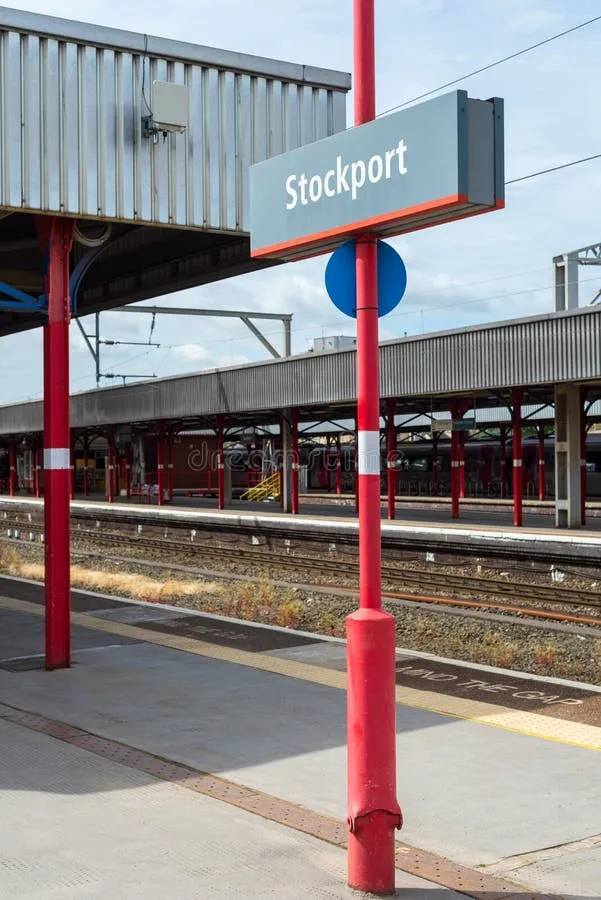 Photo: Stockport station, via thumbs.dreamstime.com
The Economics of Portable Convenience
The financial argument for portable gaming is surprisingly compelling. While handheld consoles require upfront investment, they eliminate many hidden costs associated with traditional gaming setups.
No need for expensive gaming chairs, large televisions, or dedicated gaming spaces. No arguments over shared screens or competing entertainment preferences. Portable gaming fits into existing routines rather than demanding new ones.
For many British households dealing with rising energy costs, the lower power consumption of handheld devices compared to consoles and gaming PCs provides additional appeal.
The Future of British Gaming Habits
Industry analysts predict that portable gaming will continue growing as British lifestyles become increasingly mobile and time-fragmented. The success of devices like the Steam Deck has encouraged other manufacturers to enter the market, promising even more options for on-the-go gaming.
Game developers are also taking notice, designing experiences that work well in short sessions while remaining engaging over longer periods. The "pause anywhere, play anywhere" philosophy is becoming central to game design.
A Very British Gaming Revolution
The portable gaming renaissance reflects something fundamentally British: the ability to find joy and entertainment despite circumstances beyond our control. Whether it's train delays, limited living space, or simply the challenge of finding personal time in busy modern life, portable gaming offers a solution that feels both practical and pleasurable.
As one Steam Deck owner put it while waiting for the delayed 19:15 to Cardiff: "I used to curse British Rail. Now I thank them for giving me time to save Hyrule."
It's a sentiment that would have seemed absurd five years ago but feels perfectly reasonable today. In a country where queuing is a national pastime and complaining about transport is a cultural touchstone, portable gaming has found its perfect home.
The revolution isn't happening in gaming shops or technology conferences — it's happening on platform benches, in office break rooms, and in the quiet moments between one obligation and the next. And it's being led not by teenagers or hardcore enthusiasts, but by ordinary British adults who've discovered that the best gaming experiences might just be the ones that fit in your pocket.