Just One More Season: How Football Manager Turned Britain Into a Nation of Tactical Zombies
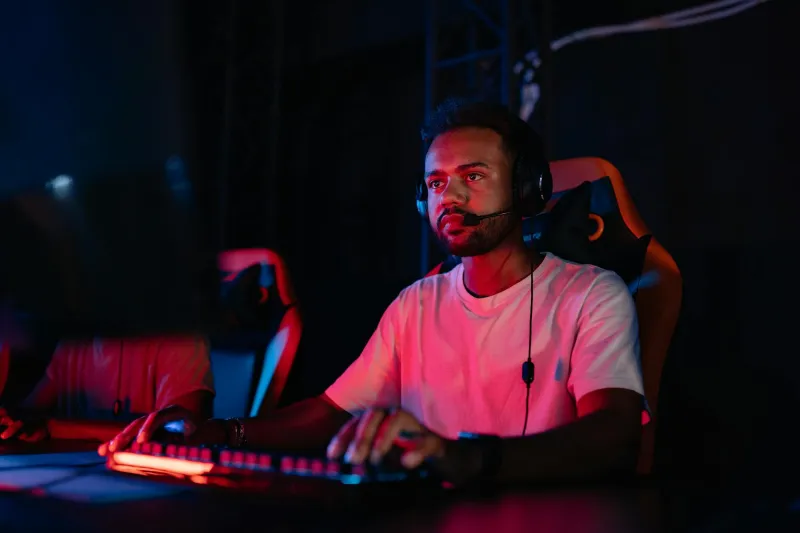
The 3am Tactical Revelation
It starts innocently enough. You boot up Football Manager with the noble intention of a quick tactical tweak before bed. Maybe adjust your wing-back instructions, perhaps scout that promising Romanian striker you've heard about. Just twenty minutes, you tell yourself. Just a quick session.
Four hours later, you're deep in a heated board meeting about stadium expansion while simultaneously negotiating a complex three-way transfer deal that'll solve your defensive midfield crisis. Your alarm is set for 7am. It's currently 3:47am. You're absolutely knackered, but Kidderminster Harriers are only three points off the playoff spots and you've just discovered a tactic that might actually work.
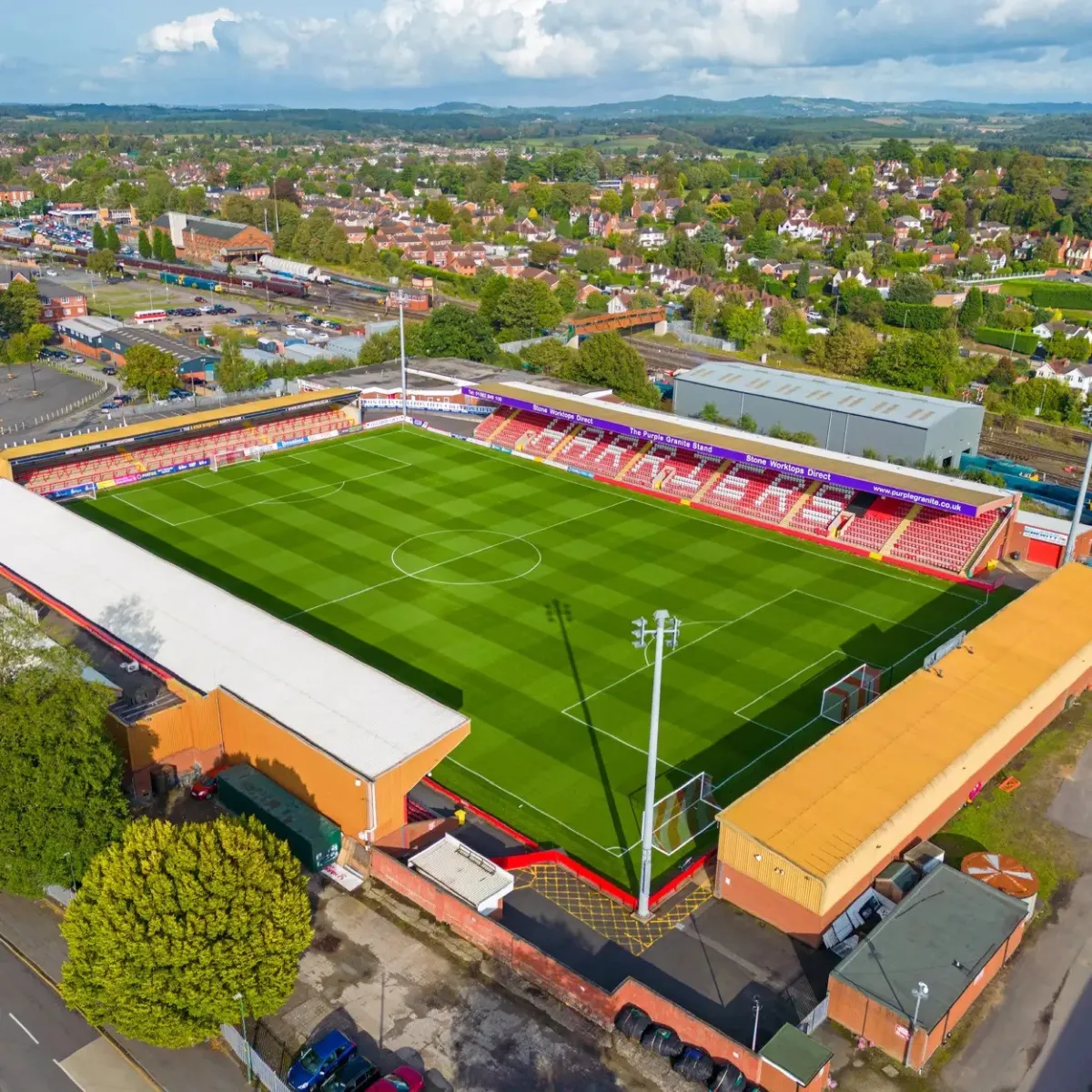 Photo: Kidderminster Harriers, via www.suttonunited.net
This is the Football Manager experience, and if you're British, there's roughly a 73% chance you know exactly what we're talking about.
The Great British Obsession
No other game holds quite the same grip on the British psyche as Football Manager. While our European neighbours dabble with FIFA and Americans lose themselves in Madden, we're over here turning ourselves into sleep-deprived tactical masterminds, convinced we could do a better job than Gareth Southgate given half the chance.
The numbers are properly mental. Sports Interactive estimates that British players have collectively spent over 2 billion hours playing Football Manager since 1992. That's 228,000 years of human existence dedicated to arguing with virtual chairmen and discovering wonderkids in the Estonian second division.
"I've been playing since Championship Manager 97/98," admits Tom from Stoke, whose marriage nearly ended when his wife discovered he'd been 'managing' Crewe Alexandra until 4am on a work night. "I've probably spent more time thinking about my formation than I have about my actual career. It's genuinely concerning."
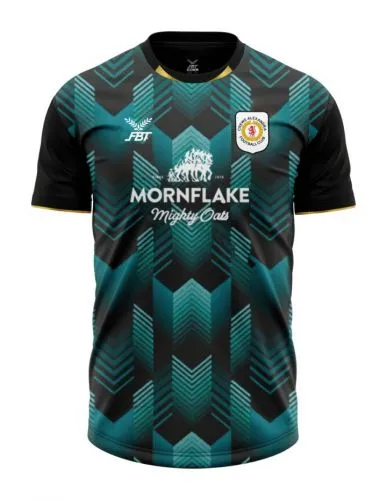 Photo: Crewe Alexandra, via cdn.footballkitarchive.com
The Science of Addiction
Dr Rebecca Williams, who studies gaming addiction at Cambridge, reckons Football Manager hits a perfect storm of psychological triggers that make it particularly addictive for British players. "It combines our national obsession with football, our love of spreadsheets, and our deep-seated belief that we could run things better than the people actually in charge," she explains. "It's basically crack for middle managers who support mid-table clubs."
The game's genius lies in its endless cycle of hope and despair. Just when you think you've cracked it, your star striker demands a transfer or your board sells your best player to fund stadium improvements. It's like supporting a real football club, except you're the one making all the catastrophically bad decisions.
Confessions of the Addicted
The stories from Britain's Football Manager community read like a support group transcript. There's Dave from Birmingham, who once called in sick for three days to complete a crucial transfer window. Sarah from Glasgow, who learned Portuguese just to communicate better with her virtual players. Mark from Cardiff, who's been managing the same save file for eight years and genuinely cares more about his virtual team than his real-life job.
"My wife thinks I'm having an affair," confesses James from London. "She's not entirely wrong – I am emotionally invested in someone else. It's just that someone else is a 19-year-old Brazilian winger who cost me £2.3 million and keeps getting homesick."
The most dedicated players develop genuine emotional attachments to their virtual clubs and players. Reddit is full of heartbreaking posts about legendary players retiring or promising youngsters being poached by bigger clubs. These aren't just statistics on a screen – they're digital family members.
The Cultural Impact
Football Manager has genuinely changed how British people think about football. Pub conversations now include debates about Expected Goals and pressing triggers. Sunday league players name-drop tactical concepts they learned from a video game. The line between virtual and real football management has blurred beyond recognition.
Real football managers admit to playing the game. Brendan Rodgers has spoken about using it for scouting, while Ole Gunnar Solskjaer credits it with improving his tactical knowledge. When professional managers are learning from a video game, you know something significant has shifted in football culture.
The Dark Side of Management
But Football Manager addiction isn't all tactical masterclasses and transfer market coups. The game has a dark side that many players don't like to discuss. Relationships suffer. Sleep patterns disintegrate. Real-world responsibilities get neglected in favour of virtual glory.
"I once missed my own birthday party because I was in the middle of a crucial Champions League semi-final," admits Peter from Edinburgh. "My girlfriend was furious, but you don't understand – it was against Real Madrid and I'd spent six seasons building toward that moment. She dumped me the next week, but we won 3-1 and I've never been prouder."
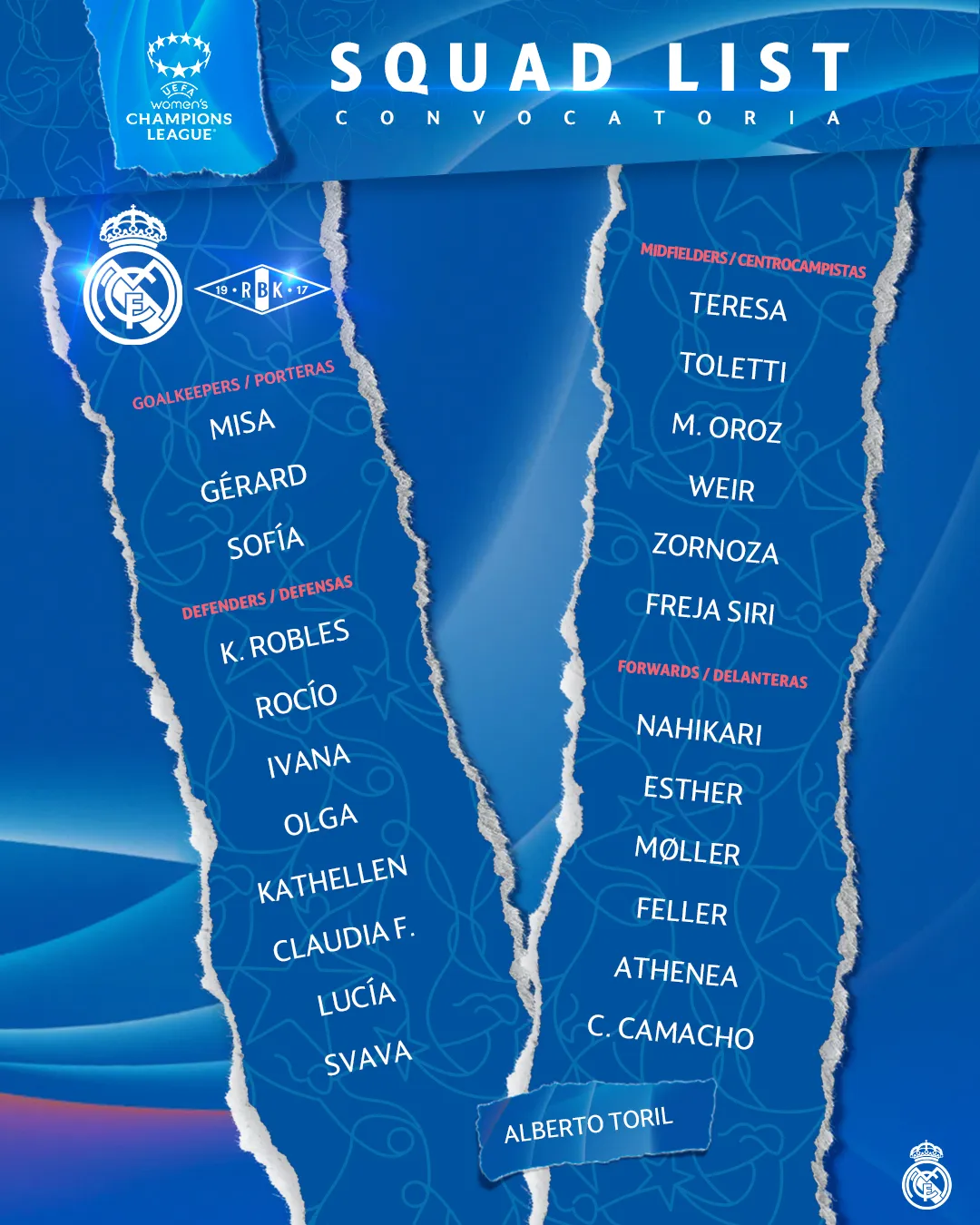 Photo: Real Madrid, via pbs.twimg.com
The game's annual release cycle creates additional problems. Just when players think they've escaped, a new version arrives with updated squads and improved features. It's like digital heroin with yearly upgrades.
Why We Keep Coming Back
So why do British players keep returning to Football Manager despite knowing it'll consume their lives? The answer lies in the game's fundamental promise: total control over something we care deeply about but have no real influence over.
Supporting a football club is largely an exercise in powerless frustration. You watch your team make baffling signings, play terrible football, and lose to teams they should easily beat. Football Manager offers an alternative reality where your decisions matter, where planning pays off, and where supporting Grimsby Town doesn't inevitably lead to existential despair.
The Never-Ending Season
As the latest edition of Football Manager prepares to ruin another year's worth of sleep schedules, Britain's tactical zombies are already planning their next virtual campaigns. New clubs to manage, new tactics to perfect, new wonderkids to discover.
The addiction shows no signs of slowing down. If anything, each year's edition becomes more detailed, more immersive, more likely to consume your entire existence. And we're all absolutely fine with that.
After all, Yeovil Town won't manage itself to Premier League glory, will it?