Generation PlayStation: How Britain's Bedroom Gaming Addicts Became Tomorrow's Tech Titans
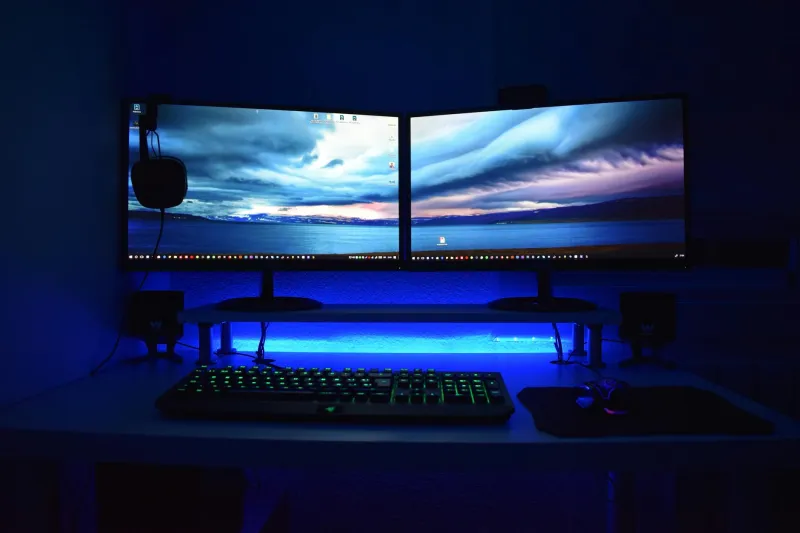
The Kids Are More Than Alright
Remember when your parents would bang on the bedroom door, shouting about how you'd 'never amount to anything' if you didn't stop playing those games? Well, turns out they were spectacularly wrong. Meet Britain's Generation PlayStation – the twenty-somethings who've transformed childhood gaming obsessions into proper careers, proving once and for all that time spent mastering combo moves wasn't wasted after all.
Take 24-year-old Sophie Chen from Birmingham, whose Minecraft YouTube channel now pulls in more viewers than some BBC programmes. What started as building wonky castles after school has evolved into a media empire worth seven figures. "My parents went from confiscating my controller to asking for business advice," she laughs. "Funny how perspectives change when you're buying them a house."
From Bedroom to Boardroom
The statistics are mental when you actually look at them. According to recent UKIE data, over 60% of British game industry leaders under 30 cite childhood gaming as their primary career inspiration. These aren't just kids who got lucky with a viral TikTok – they're proper entrepreneurs who understood digital culture before it had a name.
Jamie Richardson, 26, co-founded Pixel Punch Studios in his Manchester flat three years ago. Their debut indie title 'Rainy Day Heroes' has just been snapped up by a major publisher for an undisclosed sum that definitely has more zeros than his old student loan. "I spent my teens modding everything I could get my hands on," he explains. "Turns out, breaking games teaches you exactly how to build them properly."
The pathway isn't always obvious, mind. Sarah Walsh, 23, parlayed her obsession with streaming Fortnite into a consultancy firm that helps traditional brands understand Gen Z gaming culture. Her client list reads like a FTSE 100 directory, and she charges more per hour than most solicitors. "Brands finally realised they needed someone who actually speaks fluent gaming," she says. "Not someone who thinks 'going viral' involves catching something nasty."
The Skills Nobody Taught in School
What's fascinating is how gaming culture inadvertently created a generation of natural entrepreneurs. While their mates were learning about the Tudors, these kids were mastering resource management in strategy games, understanding market dynamics through trading rare items, and developing leadership skills by running guild raids.
"Gaming taught me project management better than any business course ever could," explains Marcus Thompson, 25, whose esports agency represents some of Britain's biggest streaming talent. "Coordinating a 40-person raid requires the same skills as running a company – communication, delegation, crisis management. The only difference is fewer dragons."
The technical skills are just the tip of the iceberg. This generation grew up understanding user experience intuitively, learned to build communities from scratch, and developed an almost supernatural ability to spot trends before they explode. They're digital natives in the truest sense – not just comfortable with technology, but genuinely fluent in its language.
Beyond the Stereotypes
The old image of the antisocial gamer locked in their bedroom couldn't be further from reality. Today's gaming entrepreneurs are collaborative, globally minded, and surprisingly business-savvy. They've built international networks through Discord servers, learned multiple languages to communicate with overseas players, and developed thick skins from years of online competition.
"People think gaming is isolating, but I've got business contacts on every continent," says Chen. "My Minecraft server had players from 47 countries. Try getting that kind of international experience in your average secondary school."
The numbers back this up. British gaming companies founded by under-30s are 40% more likely to expand internationally within their first two years, compared to traditional tech startups. They understand global markets instinctively because they've been part of them since they were teenagers.
The New Normal
What's really changed is societal perception. Parents who once viewed gaming as a distraction now actively encourage their kids to pursue it seriously. Schools are introducing esports programmes. Universities offer degrees in game design and development. The infrastructure is finally catching up to what this generation always knew – gaming isn't just entertainment, it's a legitimate career path.
"My little brother's 14 and already talks about his 'streaming strategy,'" laughs Walsh. "I'm simultaneously proud and terrified. He's going to make me look like an amateur."
The success stories keep multiplying. From indie developers securing million-pound publishing deals to streamers launching their own merchandise empires, Britain's gaming generation is rewriting the rules of what constitutes a 'proper job.' They're not just playing games anymore – they're changing the entire industry.
Loading Into the Future
As this generation moves into senior positions across tech, media, and entertainment, their gaming-influenced approach is reshaping entire industries. They understand community building, viral marketing, and user engagement in ways that traditional business leaders are still struggling to grasp.
The kids who grew up with controllers in their hands aren't just entering the workforce – they're leading it. And frankly, it's about bloody time.