Game On in Geography: How Crafty Teachers Are Sneaking Skyrim Into Science Lessons
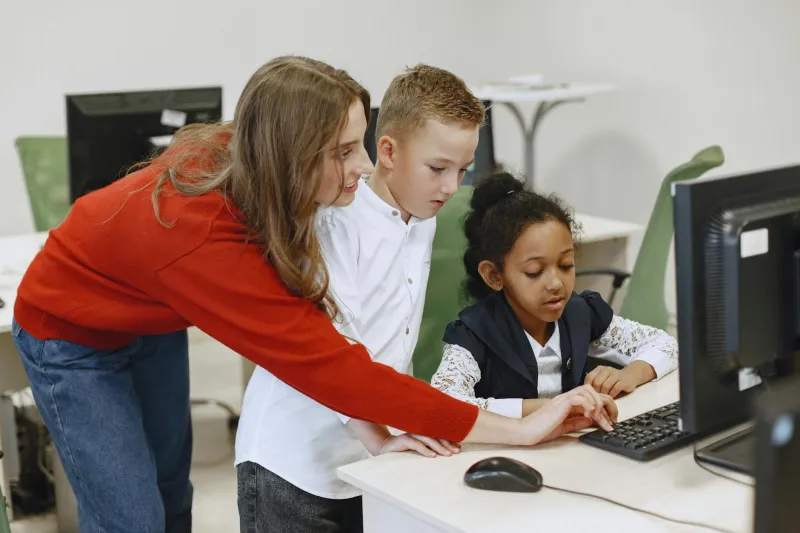
The Secret Revolution Happening in British Classrooms
Mrs. Henderson from Coventry has a confession: she's been using Assassin's Creed to teach the Tudors for three years, and her Year 8s have never been more engaged with Henry VIII's matrimonial disasters. "They're absolutely obsessed with exploring Renaissance Italy in the game, so when we get to the actual history, they're already halfway there," she admits with a slightly guilty grin.
She's not alone. Across Britain, a quiet revolution is brewing in staffrooms as teachers discover what their pupils have known all along — games are brilliant at making complex stuff make sense. From primary schools in Preston using Minecraft to teach basic engineering principles to sixth-form colleges in Southampton running Kerbal Space Program physics workshops, educators are finally cottoning on to what every parent dreads: their children might actually learn something from all that screen time.
When Blocks Become Building Knowledge
Take St. Margaret's Primary in Wolverhampton, where Year 5 teacher Mr. Patel has turned his classroom into what he calls "Minecraft University." His pupils aren't just placing blocks randomly — they're calculating perimeters for medieval castles, understanding electrical circuits through redstone contraptions, and grasping basic geology by mining through different rock layers.
 Photo: St. Margaret's Primary, via img.freepik.com
"The first time I suggested using Minecraft in maths lessons, the head looked at me like I'd suggested teaching fractions with a fruit machine," laughs Mr. Patel. "But when the kids started explaining area calculations using their castle builds, even the most sceptical colleagues had to admit something was working."
The transformation hasn't gone unnoticed by pupils either. "Maths used to be proper boring," admits 10-year-old Sophie. "Now when Mr. Patel says we're doing multiplication, I know we might be building a massive pyramid or working out how many blocks we need for a football stadium. It's actually quite good fun."
The Headteacher's Dilemma
Not everyone's convinced. Headteacher Margaret Thornton from a comprehensive in Basildon represents the old guard: "I understand the appeal, but when parents send their children to school, they expect traditional learning methods. Are we really preparing them for GCSEs by letting them play computer games?"
It's a fair concern, but the evidence is mounting that gaming-based learning isn't just educational window dressing. Dr. Sarah Mitchell from the University of Edinburgh's Education Department has been tracking gaming initiatives across Scottish schools for two years. Her preliminary findings suggest pupils using game-based learning show improved problem-solving skills and better retention rates compared to traditional teaching methods.
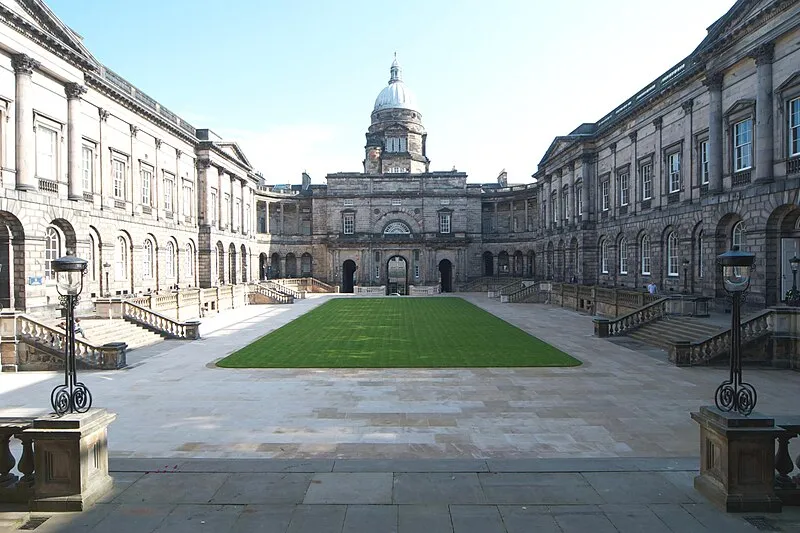 Photo of University of Edinburgh, via Wikidata/Wikimedia Commons
"The key isn't replacing textbooks with joysticks," explains Dr. Mitchell. "It's about using gaming elements — progression systems, immediate feedback, collaborative challenges — to make learning more engaging. When done properly, it's not playing games instead of learning; it's learning through play."
From Skeptical Parents to Surprised Supporters
The parent response has been fascinatingly mixed. Rachel Thompson from Guildford was initially horrified when her daughter mentioned using Cities: Skylines in geography lessons. "I thought they were just messing about on computers instead of proper learning," she admits. "But when Emma started explaining urban planning concepts at the dinner table — drainage systems, traffic flow, population density — I realised something quite impressive was happening."
The breakthrough moment came during parents' evening when Emma's teacher showed Rachel her daughter's digital city, complete with detailed explanations of infrastructure choices and environmental considerations. "It was like seeing a completely different side of her education. She wasn't just memorising facts about cities; she was understanding how they actually work."
The Technical Challenges Nobody Mentions
Of course, it's not all smooth sailing. Technology teacher James Wright from a secondary school in Cardiff knows the reality behind the headlines: "Everyone talks about the educational benefits, but nobody mentions the absolute nightmare of getting 30 laptops to run the same game simultaneously on school Wi-Fi that was installed during the Blair government."
The practical challenges are immense. Licensing costs, hardware requirements, staff training, and the eternal battle with IT departments who view anything more sophisticated than PowerPoint as a security threat. "I've spent more time explaining to network administrators why Minecraft isn't a virus than I have actually teaching with it," sighs Wright.
The Unexpected Success Stories
But when it works, the results can be remarkable. At Riverside Academy in Newcastle, history teacher Ms. Foster has been using Civilization VI to teach about empire building and resource management. Her pupils don't just learn about the Roman Empire; they experience the challenges of maintaining supply lines, managing diverse populations, and balancing military expansion with economic growth.
 Photo: Riverside Academy, via m.media-amazon.com
"Last term, one of my students wrote a brilliant essay about why the Roman Empire fell, and half his arguments came from mistakes he'd made in the game," explains Ms. Foster. "He understood the complexity of governing a massive territory because he'd tried it himself and failed spectacularly. You can't get that kind of insight from a textbook."
The Future of Fun Learning
As gaming in education gains momentum, the question isn't whether it works — increasing evidence suggests it does — but how quickly traditional education can adapt. Some schools are already planning dedicated gaming labs, while others are training entire departments in educational game design.
The real test will come when these gaming-educated pupils hit their GCSEs and A-levels. Will their unconventional learning methods translate into exam success? Early indicators from pilot programmes suggest they will, but only time will tell if Britain's educational establishment is ready for a generation of students who learned physics from Kerbal Space Program and history from Assassin's Creed.
One thing's certain: the teachers leading this quiet revolution aren't backing down. As Mrs. Henderson puts it: "If I can get teenagers excited about the Wars of the Roses by letting them climb around Renaissance Florence, I'm going to do it. Traditional education had its chance to engage these kids. Now it's game time."