The Death of Saturday Shopping: When Britain's High Street Lost Its Gaming Soul
The Last Stand of the Saturday Browse
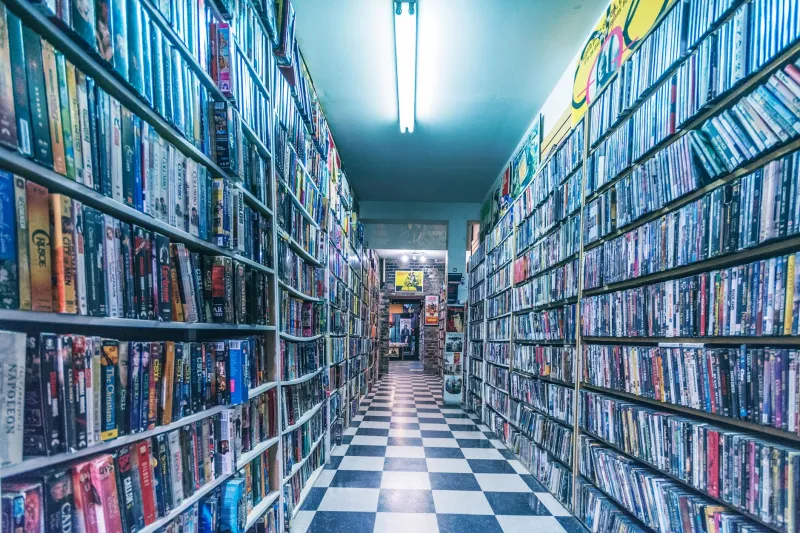
There was a time when buying a game meant something. Not just the transaction—anyone can tap their phone and watch a progress bar fill—but the entire bloody ritual of it. Saturday mornings meant dragging yourself into town, pocket money burning a hole in your trackies, ready to embark on the sacred pilgrimage to the game shop.
Woolworths was the gateway drug. Those legendary bargain bins, stuffed with PlayStation classics for a fiver, where you'd dig through copies of Championship Manager 97 hoping to unearth something brilliant. The thrill wasn't just finding a good game—it was finding your game, the one that would define your next few months of after-school obsession.
When Midnight Meant Something
By the 2000s, GAME had transformed the high street into something approaching gaming heaven. Remember midnight launches? Queuing outside in November drizzle for Halo 3, surrounded by mates who'd become temporary best friends through shared anticipation. The staff knew your name, your console preference, and exactly which pre-order bonus would make you cave.
These weren't just shops—they were community centres. You'd bump into that kid from school who somehow always had the latest releases, or overhear conversations about hidden secrets that would send you scrambling back to your console with renewed purpose. The physical space created accidental discoveries: a demo station that introduced you to a genre you'd never considered, or shelf talkers that convinced you to take a punt on something completely mental.
The Smell of Possibility
Anyone who lived through the golden age knows about the smell. That distinctive cocktail of fresh plastic, printed manuals, and pure possibility that hit you the moment you cracked open a new game case. Opening a digital download just isn't the same as peeling cellophane with your teeth, desperate to get at the instruction booklet that would be your bedtime reading for the next week.
Those manuals were works of art. Proper booklets with backstory, character profiles, and control schemes you'd memorise on the bus home. Now we get a PDF buried in a settings menu that nobody reads. We've traded craftsmanship for convenience, and honestly? Sometimes it feels like a proper rubbish deal.
The Great Digital Shift
The writing was on the wall when Steam started feeling less like a weird PC thing and more like the future. Suddenly, you could buy games in your pants at 3am. No queues, no small talk with shop assistants, no discovering that the game you wanted was sold out until next Tuesday.
But convenience came with a cost. The Saturday browse—that aimless wandering through game shops, discovering hidden gems and chatting with fellow enthusiasts—became extinct almost overnight. We gained instant gratification but lost serendipity. When algorithms decide what games we see, we stop stumbling across the weird, wonderful stuff that used to make gaming culture so brilliantly unpredictable.
What We Actually Lost
Beyond the obvious—physical ownership, trading with mates, proper box art—we lost something harder to quantify. The shared experience of gaming culture. When everyone shopped in the same places, we had common reference points. Now, lost in our personalised digital storefronts, we're all having slightly different conversations about completely different games.
The ritual of buying games used to be part of the fun. The anticipation during the journey home, the ceremony of first boot-up, the satisfaction of adding another spine to your collection. Digital downloads skip all that foreplay and jump straight to the main event. Efficient? Absolutely. But also a bit sad.
The Vinyl Revival That Never Quite Happened
Physical games are trying to make a comeback, riding the coattails of vinyl's resurrection. Limited editions, collector's sets, and boutique publishers are banking on nostalgia and the human need to own things. But it's not quite the same, is it?
These aren't impulse purchases from the high street—they're carefully curated collector's items ordered months in advance. The spontaneity is gone, replaced by pre-order anxiety and limited print runs that sell out in minutes to scalpers with bots.
Can We Ever Go Back?
The truth is, we probably can't. And maybe that's alright. Digital distribution has democratised game development, given us instant access to decades of gaming history, and eliminated the geographical lottery that once determined whether you could actually buy the games you wanted.
But on quiet Saturday afternoons, when you're scrolling through endless digital storefronts looking for something—anything—to capture your attention, it's hard not to miss the days when buying a game was an adventure in itself. When the journey was just as important as the destination, and when discovering your next favourite game felt less like algorithm optimization and more like genuine magic.
The high street might have lost its gaming soul, but the memories remain. And honestly? They're probably worth more than any digital receipt.