Charity Shop Champions and Car Boot Legends: Inside Britain's Mental Retro Game Gold Rush
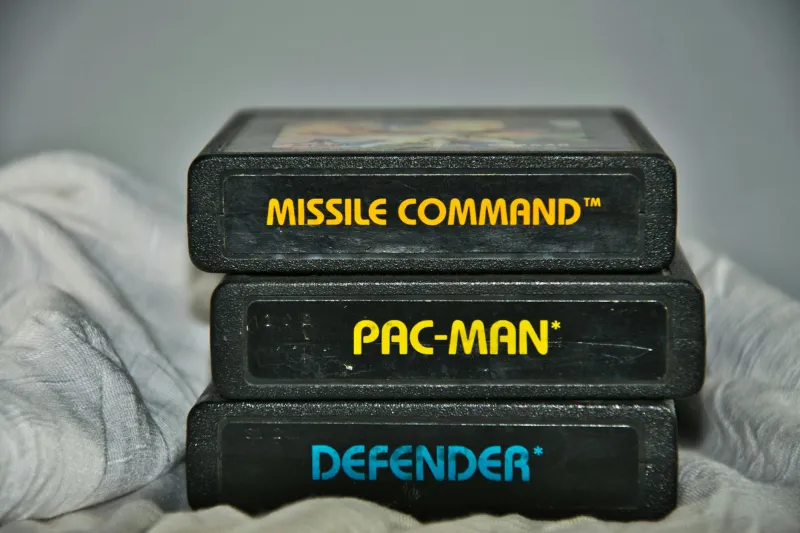
The Saturday Morning Pilgrimage
Every weekend across Britain, an army of dedicated souls rises before dawn. They're not heading to football matches or farmers' markets. No, these warriors are embarking on the most competitive sport you've never heard of: retro game hunting. Armed with nothing but encyclopaedic knowledge of obscure SNES titles and the patience of a saint, they descend upon car boot sales like bargain-seeking vultures.
Meet Dave from Wolverhampton, who once found a complete-in-box copy of Panzer Dragoon Saga at a church jumble sale for three quid. "The old dear selling it thought it was a DVD," he chuckles, still slightly in disbelief two years later. That £3 investment? It's now worth over £800. Not bad for a Sunday morning's work.
When Nostalgia Meets Economics
But this isn't just about fond memories of childhood Christmas mornings. The retro gaming market has exploded into something resembling proper investment territory, with certain titles appreciating faster than London house prices. A mint condition copy of Little Samson on the NES recently sold for £15,000. Yes, you read that correctly. Fifteen. Thousand. Pounds. For a game most people have never heard of.
The psychology behind this madness is fascinating. Dr Sarah Mitchell, who studies consumer behaviour at Manchester University, reckons it's partly about "tangible ownership in an increasingly digital world." When everything's stored in the cloud, there's something deeply satisfying about holding a physical cartridge that contains actual childhood memories.
 Photo: Manchester University, via g2t9h5w4.delivery.rocketcdn.me
The Holy Grails and Horror Stories
Every collector has their white whale. For many British hunters, it's Stadium Events on the NES – so rare that finding one would be like discovering a Banksy in your loft. Only a handful exist, and they command prices that could buy you a decent car.
Then there are the horror stories. Like poor Simon from Cardiff, who sold his entire Game Boy collection at a car boot sale in 2010 for £50, only to discover years later that his copy of Trip World alone was worth £400. "I still wake up in cold sweats," he admits. "My wife won't let me forget it."
Charity Shop Roulette
The real action happens in Britain's charity shops, where donated treasures hide among the usual collection of exercise DVDs and romance novels. Sarah from Brighton has turned charity shop hunting into an art form, visiting her local Oxfam so frequently that staff now text her when gaming donations arrive.
"Last month I found Suikoden II for PlayStation for eight pounds," she beams. "The volunteer had no idea what it was. I felt guilty for about thirty seconds, then remembered it's going to charity anyway." That copy is now worth around £300, making it one of the best investments she's ever made.
The Dark Side of the Hunt
But it's not all success stories and champagne celebrations. The hobby has its darker elements, with some hunters becoming genuinely obsessive. Facebook groups dedicated to retro gaming deals can turn toxic faster than a Twitter debate about pineapple on pizza. Stories emerge of collectors falling out with family members over "borrowed" childhood games, or spending mortgage money on rare cartridges.
There's also the elephant in the room: reproduction cartridges. The market is flooded with fake copies of rare games, often so convincing that even experienced collectors get stung. "I bought what I thought was an original Chrono Trigger cart for £200," sighs Mark from Leeds. "Turned out to be a repro worth about twenty quid. Lesson learned the expensive way."
Investment or Insanity?
So is retro game collecting a legitimate investment strategy or just very expensive nostalgia? The numbers suggest it might be both. Rare games have consistently outperformed traditional investments over the past decade, with some titles seeing 1000% increases in value.
But experts warn against treating games purely as financial instruments. "Buy what you love, not what you think will make money," advises collector and YouTube personality James from RetroGameDave. "Markets can crash, but the joy of playing your favourite childhood game is priceless."
The Future of Physical Gaming
As the industry continues its march toward digital-only releases, physical game collecting feels increasingly like preserving cultural artifacts. These hunters aren't just chasing profit – they're maintaining gaming history, one charity shop find at a time.
Whether you think they're brilliant archivists or barmy collectors, one thing's certain: Britain's retro game hunters aren't slowing down anytime soon. This weekend, they'll be out there again, torches in hand, ready to uncover the next legendary find. And honestly? We're slightly jealous we're not joining them.